
Betty’s Story – More than respite: the impact of Little Lights on Betty’s family
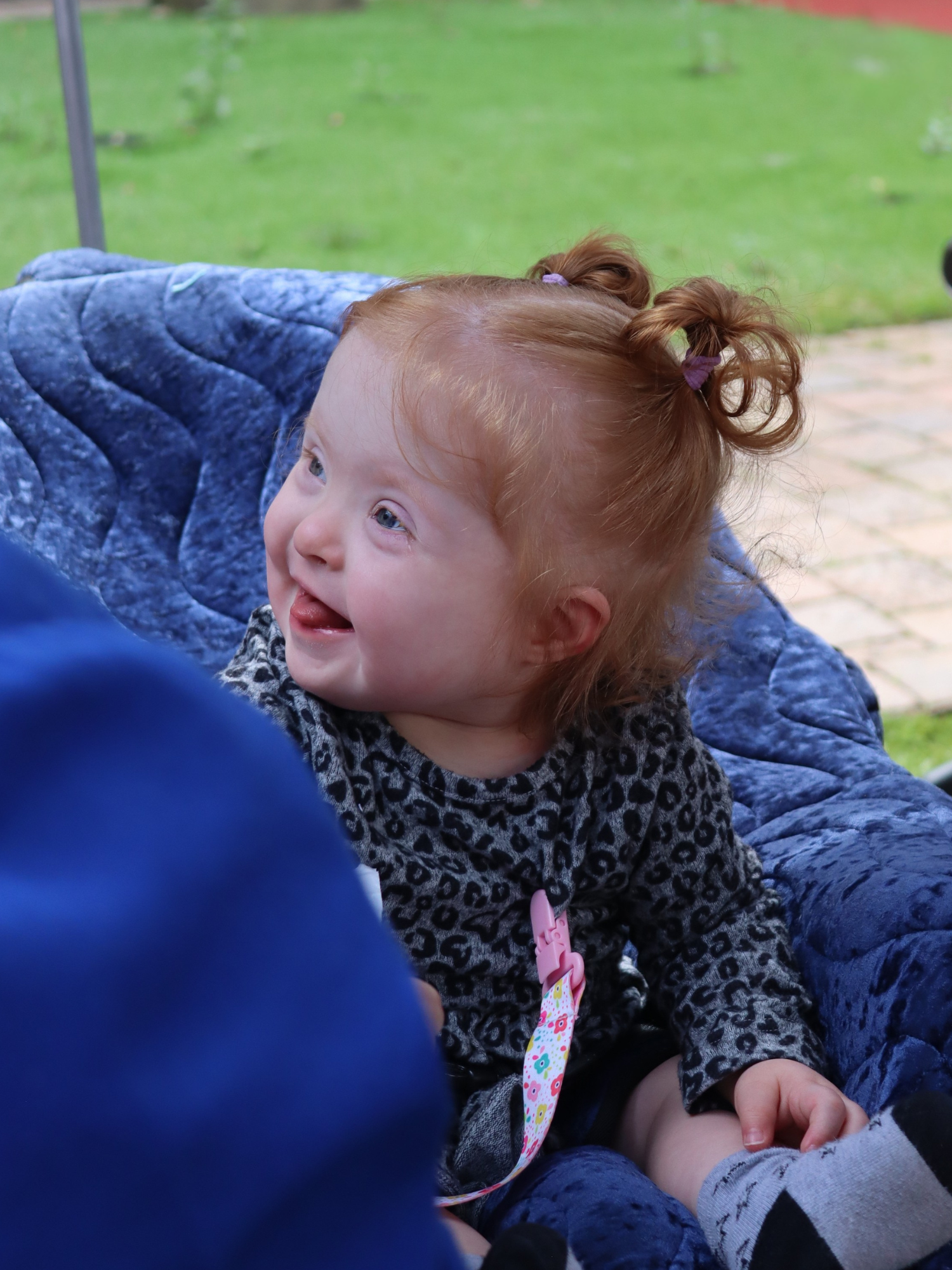
When Betty first came to Little Lights, her mum admits she did not know what to expect. Like many parents, she imagined something clinical, quiet and heavy — somewhere that might feel more like a hospital than a place for children to play, laugh and feel at home.
What she found was something entirely different.
“It’s like the best nursery, play area and holiday camp a pre-schooler could ever have,” she says. “There’s the pool, soft play, toys, activities and people who know exactly how to make Betty feel safe, understood and completely entertained.”
For Betty, Little Lights is a place where she is not simply cared for — she is known. Staff understand her routines, her communication, her medical needs and her personality. They know when something is slightly different, even when it still appears “normal” on paper. They notice the small changes that matter because Betty is not just a patient for a few days at a time. She is Betty.
A place that feels like family
From the first visit, the family realised Little Lights was not about forms, appointments or ticking boxes. It was about listening. Instead of being asked only about diagnoses and care plans, staff asked questions that showed they wanted to understand Betty as a whole child: how she communicates, how she shows discomfort, what makes her happy, and what helps her feel secure.
That care extends beyond Betty. Her mum describes Little Lights as “the home you didn’t know you didn’t have” — a place where families are welcomed without judgement, where someone will ask how siblings are doing, remember what is happening at home, and offer support before anyone has to ask for it.
One moment has stayed with her. Betty was too unwell to come to Little Lights and was in high dependency care. A member of the team came to the hospital with a hot chocolate for Betty’s mum — not because it was required, but because they cared. “That is the essence of this place,” she says. “It is about Betty, but it is also about the whole family around Betty.”
Giving parents space to breathe
Caring for a child with complex needs means carrying a constant mental load. Every day involves planning feeds, medication, equipment, appointments, supplies and contingencies. A simple trip out can become a logistical puzzle, with every decision affecting the next.
When Betty stays at Little Lights, that weight lifts for a little while. Her parents can make a cup of coffee while it is still hot, have a proper conversation, sleep, shower, spend time with Betty’s siblings, or simply stop planning every minute around medical routines.
“It’s like you can put something down you didn’t realise you’d been carrying,” her mum explains. “Just for a day or two. And then it is not so heavy to pick back up.”
Supporting siblings too
The impact of Little Lights reaches Betty’s brother Noah too. Like many siblings of children with complex needs, Noah often has to adapt around appointments, routines and safety considerations. Some ordinary childhood moments — playing Lego freely, going to soft play, having open cups, getting uninterrupted one-to-one time — can be difficult to manage at home.
When Betty is at Little Lights, her family can make time just for Noah. They build Lego across the living room, watch films with popcorn, play with Play-Doh, go out more spontaneously and do the things that are harder when every part of the day has to be carefully planned.
And through sibling days and family events, Noah also gets to feel part of Little Lights — not just as Betty’s brother, but as someone who belongs there too.
A community that understands
Little Lights has also helped create a network of parents who understand the realities of life with a child who has complex needs. Through friendships, events and shared support, families exchange practical advice, offer spare equipment, share trusted recommendations and provide something just as important: empathy without judgement.
“People can be sympathetic,” Betty’s mum says, “but you can’t really be empathetic unless you’ve done it yourself. Sometimes you just need someone who has been there to say, ‘I understand.’”
Why ongoing support matters
When the future of Little Lights was uncertain, families felt what it would mean to lose more than a building. They faced the loss of trusted care, familiar faces, sibling support, parent friendships and a place where they could finally let their guard down.
The community response showed how deeply Little Lights matters. But saving a service once is not the same as sustaining it for the future. Families who need Little Lights today still need it tomorrow — and children who have not yet been born may rely on it in years to come.
“The need for this support has not gone anywhere,” Betty’s mum says. “There will be whole generations of babies and families who need this. It has to be there for them too.”
Your support helps Little Lights be there for families like Betty’s — not just today, but for every child, parent and sibling who will need us in the future.